
Studying mechanisms of disease from cellular injury to systemic pathology.
Department of Pathology
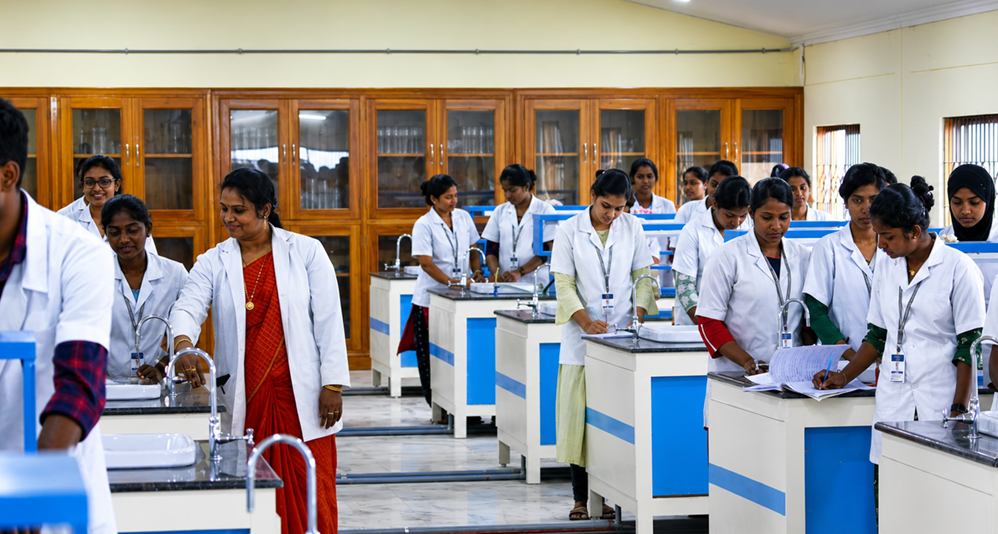
The Department of Pathology bridges normal structure and function with the mechanisms and morphological changes of disease. The department covers cellular injury and adaptation, inflammation, healing, circulatory disturbances, immune-related processes, infection, neoplasia and disorders of blood and blood-forming tissues. Systemic pathology includes major diseases of the cardiovascular, respiratory, gastrointestinal, hepatobiliary, renal, endocrine, nervous, musculoskeletal, reproductive and integumentary systems. Students learn to relate symptoms and investigation findings to underlying pathological processes while recognising that diagnosis requires clinical correlation. Practical teaching uses specimens, slides and basic laboratory methods to build observational accuracy and familiarity with pathological terminology. This knowledge helps students identify red flags, understand medical reports and communicate responsibly within multidisciplinary care.
Students Learning Outcomes
✔ Learns common mechanisms of cellular and systemic disease
✔ Recognise major pathological patterns in specimens, slides and reports
✔ Correlate pathological processes with symptoms and diagnostic findings
✔ Identify conditions that require medical investigation, urgent care or referral
Staffs

Dr. Baby Shalini D
BNYS
Professor